Most engineering internships follow a predictable script. Fix low-priority bugs. Contribute to internal tools that may never see production. Stay far away from anything customer-facing.
That was not my experience at JWay.
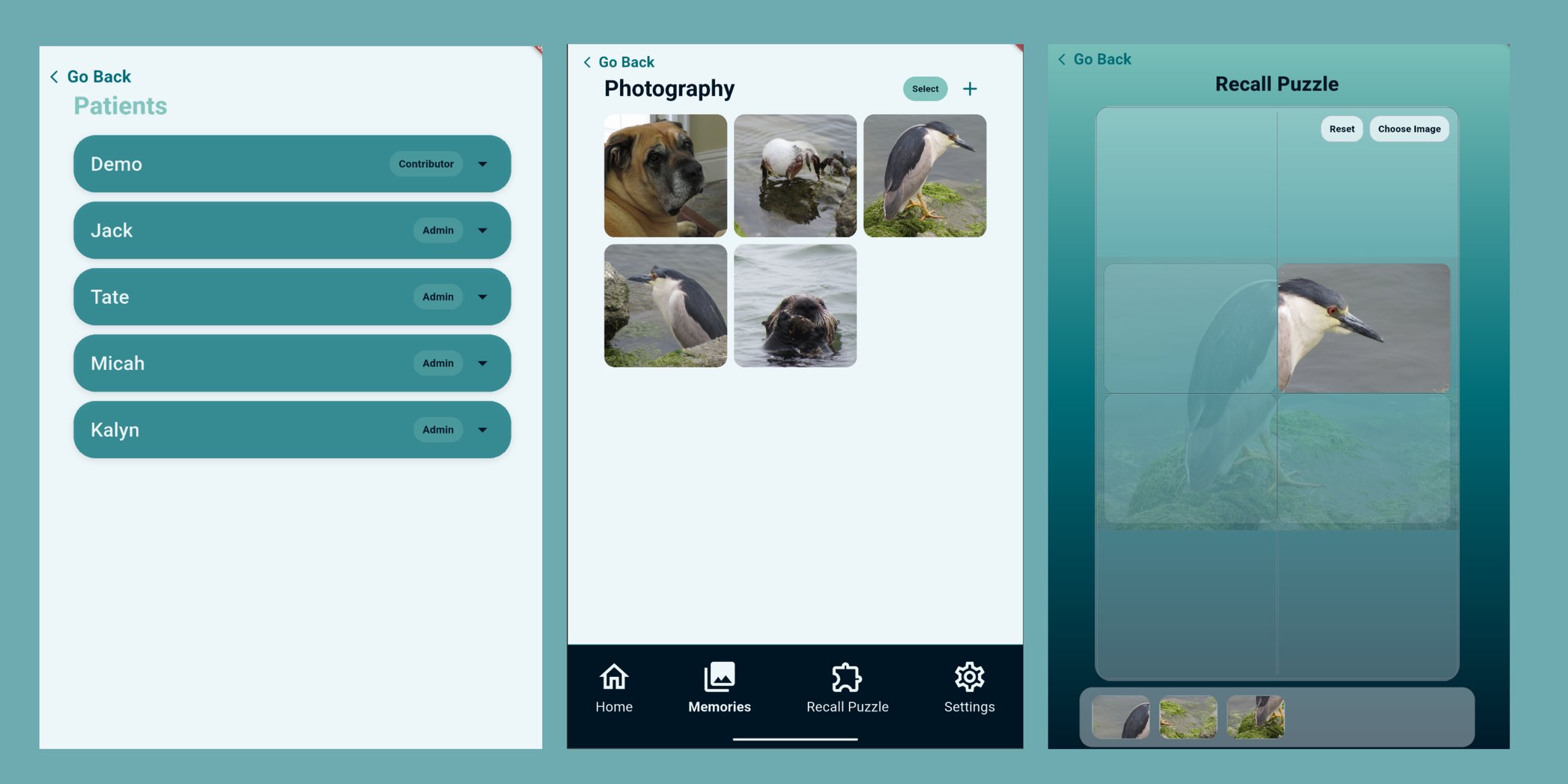
This winter, I completed a 16-week Software Engineering Internship Program at JWay Group, where I built Memory Bridge, a healthcare application designed to support caregivers of individuals living with dementia.
From day one, my manager, Mr. Mupas, made the expectation clear. I was not there to practice. I was there to ship. My assignment was to lead the end-to-end development of Memory Bridge and turn it into an essential lovable product (ELP - a JWay terminology similar to MVP).
This was not a sample project. It required full ownership, from the first Figma sketch to the final database schema. Through weekly reviews with Mr. Mupas and direct exposure to the CEO, Mr. Choi, I learned quickly that clarity and execution were not buzzwords. They were requirements. I had to communicate progress professionally, explain trade-offs clearly, and deliver consistently.
Phase 1: Design and the Trap of Ambition
I started where many engineers are tempted to rush through: design.
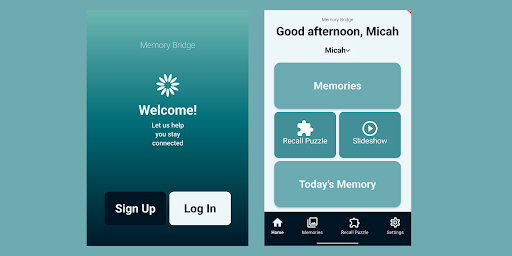
I invested significant time in Figma, building a cohesive design system that defined typography, color palette, spacing, and reusable components. I created responsive layouts and wired screens into a usable prototype that mapped out user flows from end to end. That prototype became my roadmap throughout development and kept me aligned with the target audience and overall product vision.
Then came the reality check.
My initial designs were overly ambitious. I had designed a dream app, not a shippable product. In my weekly critique sessions with Mr. Mupas, we carefully reviewed scope and feasibility. I had to confront the hardest lesson in product engineering: cutting scope.
We simplified features to match real user needs and strict development constraints. At first, that felt like scaling back. In reality, it was a pivot. The experience taught me that the best user experiences often come from doing less and getting the most functionality out of the fewest actions.
Throughout this phase, I reported weekly on my progress, lessons learned, and challenges. Those discussions strengthened my communication skills and helped me think more critically about product decisions.
The design phase concluded with a full briefing book for Memory Bridge. I presented the intended user experience, functional requirements, and design system to JWay executives. Explaining my thinking to leadership forced me to articulate not just what I built, but why.
Phase 2: Making It Work vs Building It Right
After presenting the briefing book, I moved into development.
I built the application using Flutter and Dart, applying reactive UI patterns, reusable widgets, and clean feature-based architecture. I focused on writing code that was organized and extensible, not just functional.
On the backend, I worked with a production-style stack: Neon and Hasura Cloud on Postgres with a GraphQL API layer. Implementing API providers and state management patterns introduced complexity I had not faced in school projects, especially around state synchronization and data flow.
My early code worked. But during reviews, I learned that working code is not the same as scalable code. Some implementations needed restructuring to improve long-term maintainability.
I revised my architecture and refactored parts of the system several times. That shift in mindset, from getting it done fast to making it maintainable, marked a turning point in my growth as an engineer. I stopped thinking in terms of individual features and started thinking in terms of systems.
This experience strengthened my confidence because I was not just building screens; I was also learning from them. I was building and owning an end-to-end system in a professional environment.
Key Takeaways: AI, Uncertainty, and Discipline
Looking back on these 16 weeks, my biggest growth was not just technical. It was learning how to navigate uncertainty.
When requirements shifted or technical blockers appeared, I had to prioritize ruthlessly. Discipline mattered more than speed.
I also refined how I used AI in my workflow. I used AI tools to unblock errors, validate approaches, and improve efficiency. But I learned quickly that it cannot replace critical thinking. If I copied code without fully understanding it, I would create bigger problems later. I had to understand why the solution worked, not just that it worked.
Like any real project, I faced challenges balancing time and energy, maintaining a clear product vision, and continuously evaluating usability for the target audience.
The power of simplicity became a recurring theme. Reducing scope. Clarifying requirements. Simplifying decisions. Those habits did not make the product weaker. They made progress measurable and consistent.
Conclusion
The internship concluded with a live product demo and reflection presented to JWay executives. Presenting a fully functional application that I had taken from concept to execution was nerve-wracking and deeply rewarding.
I walked away with more than a completed internship. I left with a shipped product, stronger technical depth, improved communication skills, and a clearer understanding of what it takes to bring real software into the world.
Strong design foundations. Consistent implementation patterns. The discipline to keep moving forward when things get difficult.
I am deeply grateful to Mr. Mupas and Mr. Choi for their guidance and trust. Their mentorship helped me take my first real steps into my career, with the confidence and knowledge not only to get things done, but to get them done right.
At JWay, interns are trusted to make decisions and held accountable for the outcomes. If you want to hide in the background, this is not the place. But if you want to build real software and take ownership from start to finish, there is no better training ground.